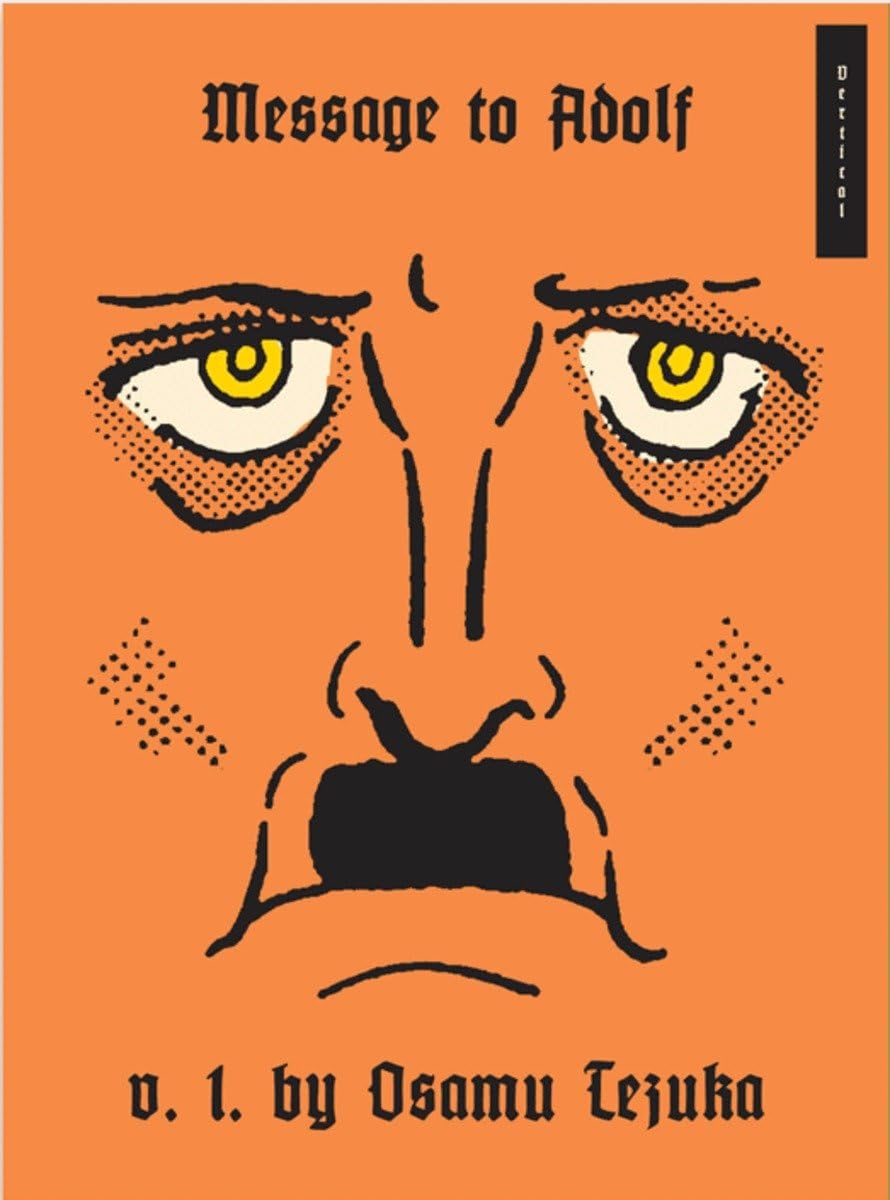
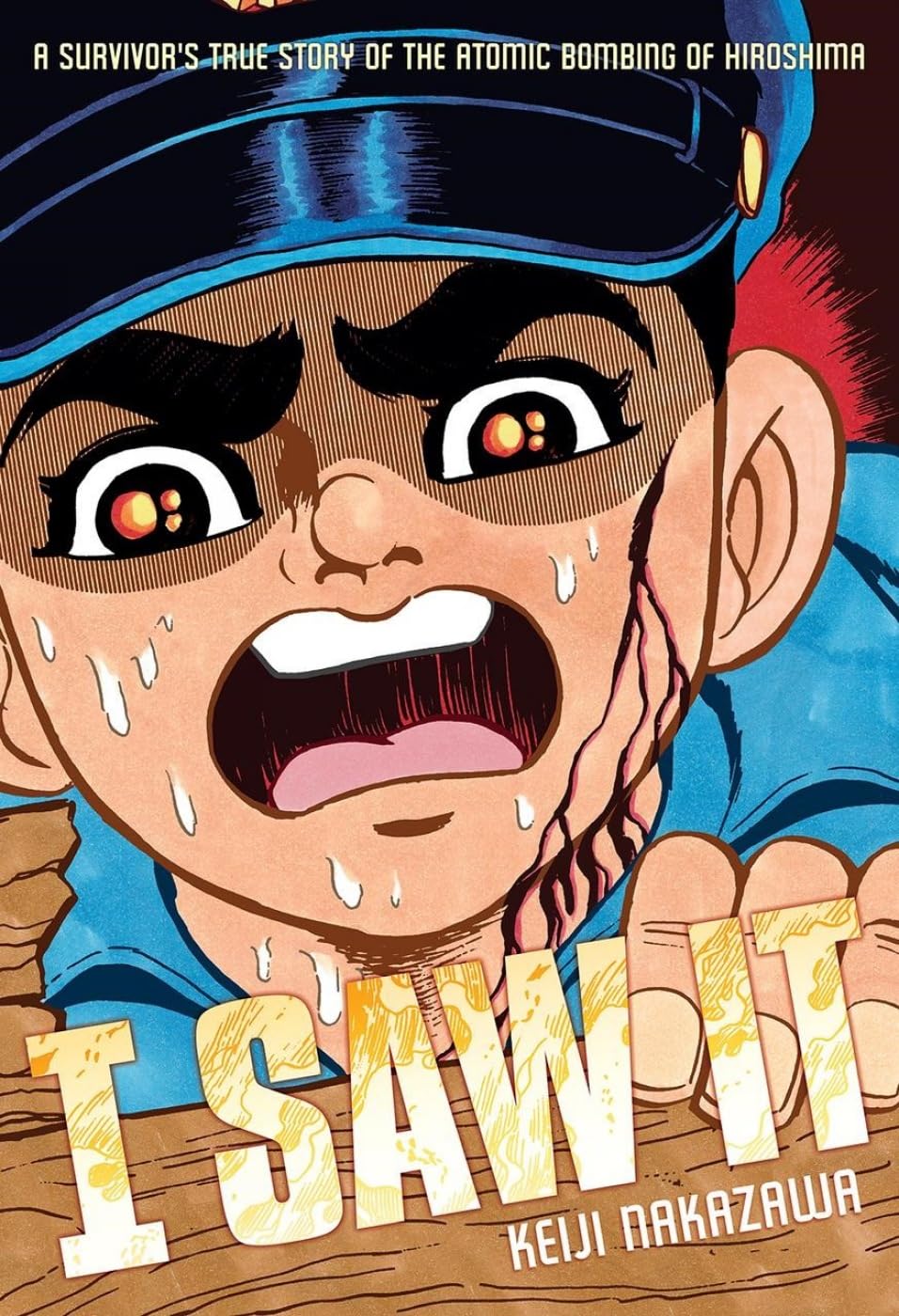
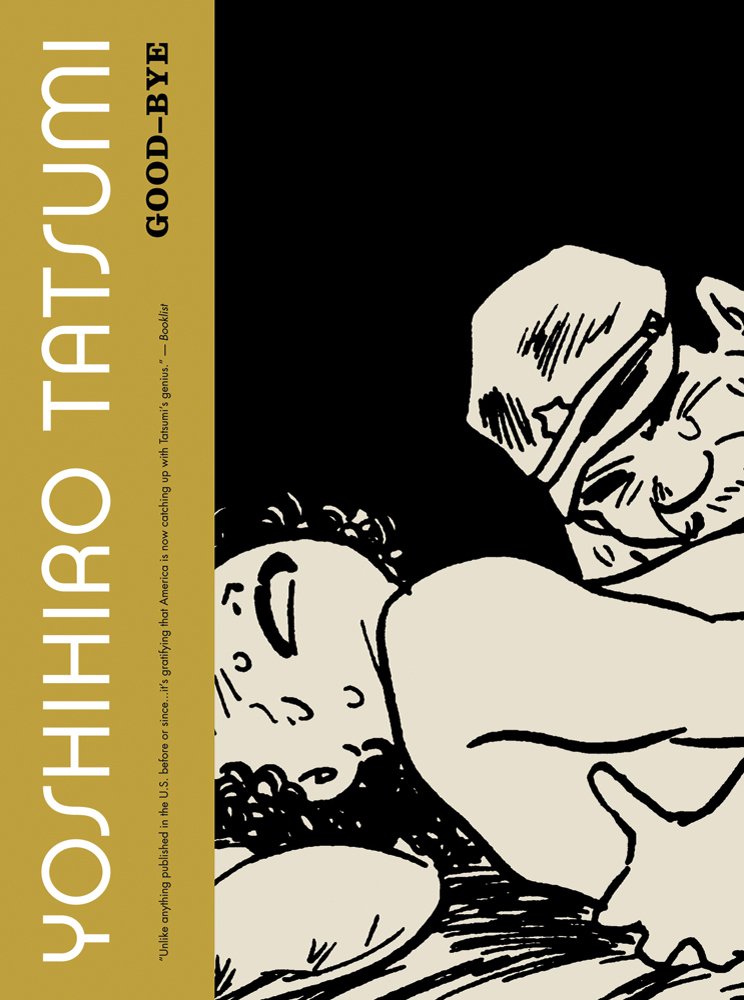
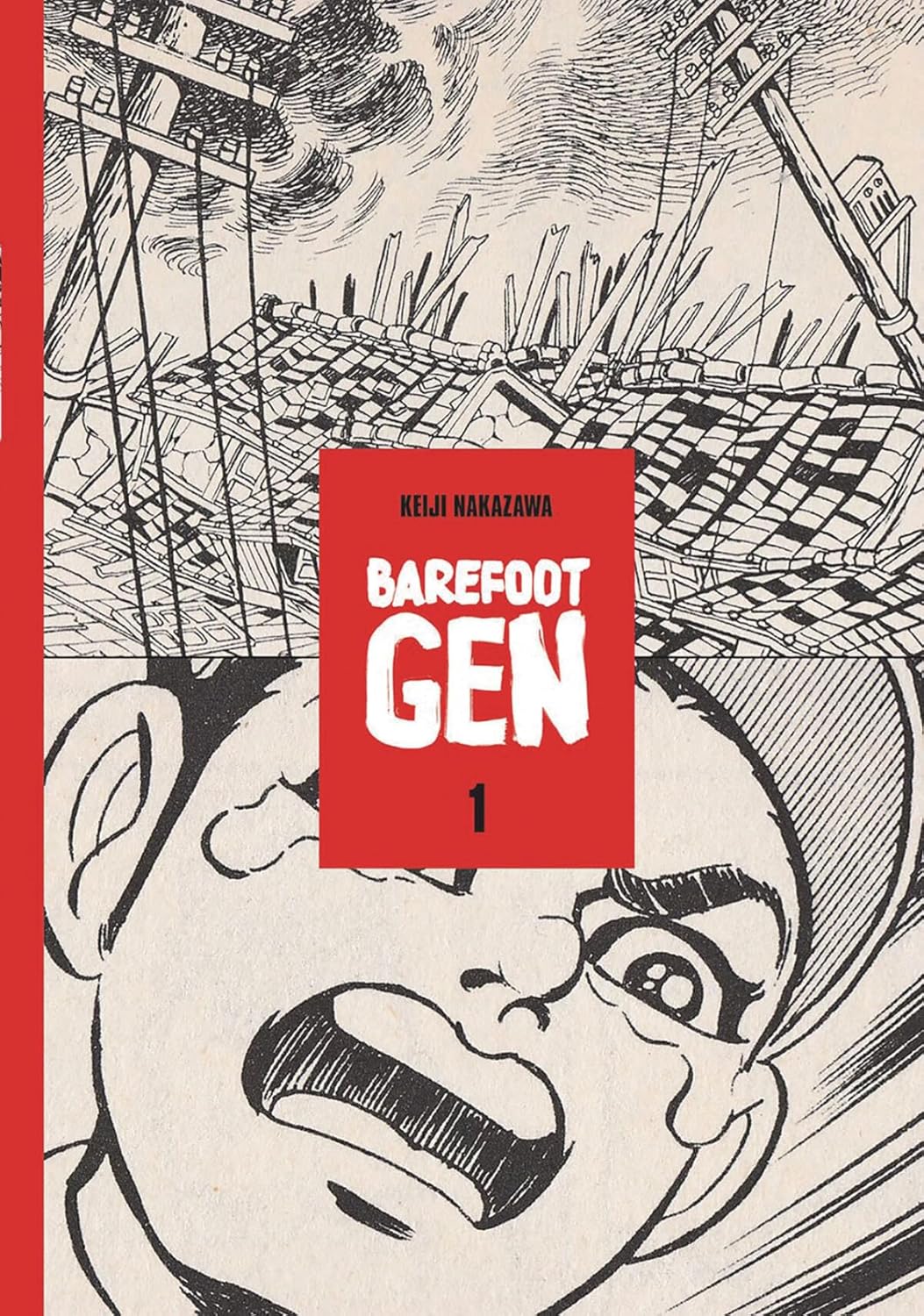
5 War Manga to Read on Remembrance Day

Remembrance Day is observed in Canada on November 11th at 11am. It commemorates the anniversary of the 1918 Armistice that ended World War I. It’s a Canadian observance day to remember the sacrifices and hardship of those who served their country to protect our freedoms.

My personal tradition, is to try and read one “real-war” comic book every year. I’ve read much less books on World War I and much more on World War II. That’s partly because WWII is covered more prolifically in Japanese comics (which is what I prefer to read). Actually, I don’t know of any manga on the topic of WWI. If you’re aware of any, please let me know in the comments!

Anyway, If you want to start your own tradition to read war-themed manga on Remembrance Day (or your country’s equivalent observance day) here’s a list of 5 manga I recommend to start with:
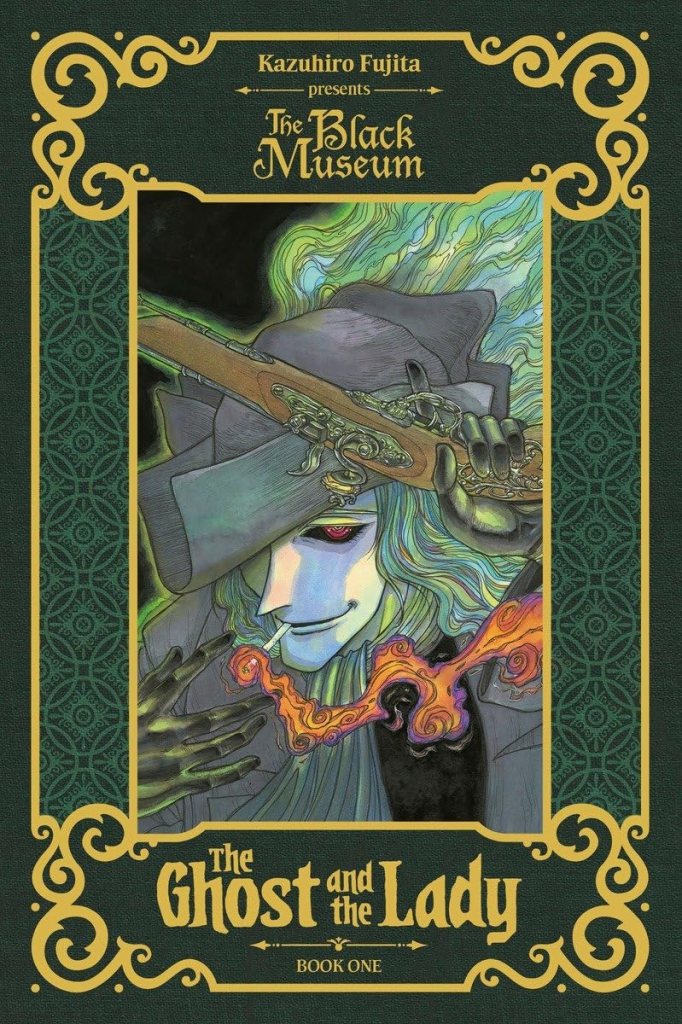
In the fantasy manga “The Ghost and the Lady” by Kazuhiro Fujita, the backdrop of the Crimean War (1853-1856) serves as a poignant reminder of the suffering and chaos that ensue during conflict. Florence Nightingale’s character embodies compassion and resilience, providing care to wounded soldiers amidst the brutality of battle. The narrative showcases how Nightingale’s efforts to improve medical practices and soldier welfare become a beacon of hope. As she navigates the challenges of her time, the story highlights the often-overlooked contributions of women in wartime, emphasizing their crucial role in healing. Through her experiences, the manga illustrates the intersection of war and humanitarianism, underscoring the enduring power of empathy in the face of adversity.

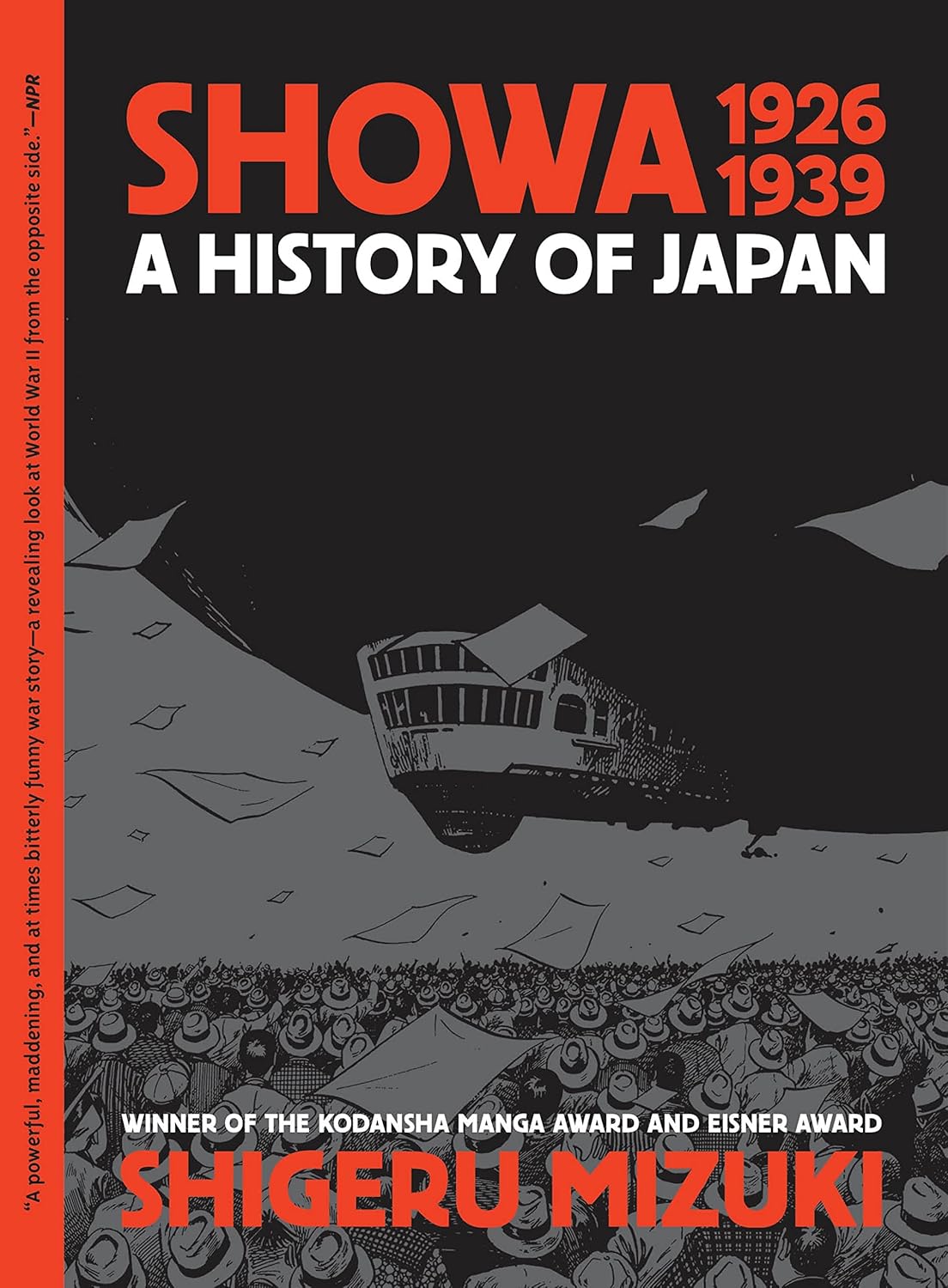
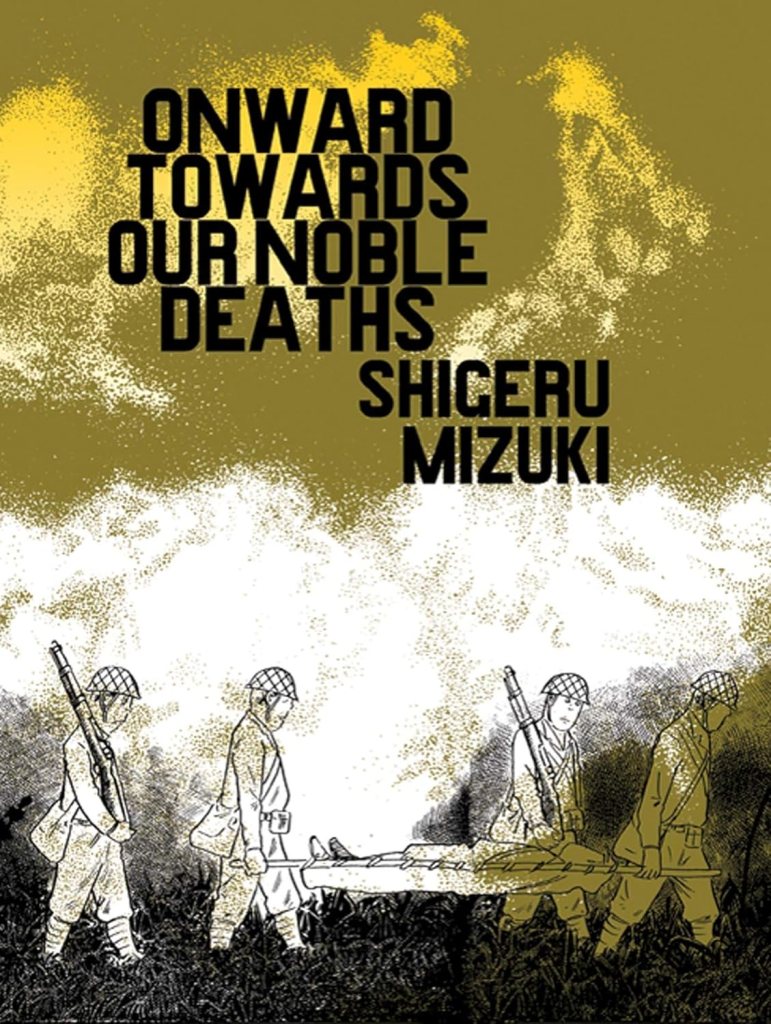
ONWARD TO OUR NOBLE DEATHS by Shigeru Mizuki

“Onwards to Our Noble Deaths” by Shigeru Mizuki presents a harrowing depiction of the experiences of Japanese soldiers during World War II. Through the eyes of the protagonist, the manga illustrates the absurdity and futility of war, showcasing the harsh realities faced by soldiers on the front lines. Mizuki masterfully intertwines dark humour with tragedy, revealing how humour serves as a coping mechanism in the face of overwhelming despair. The narrative also highlights the camaraderie among soldiers, emphasizing the bonds formed in the midst of chaos and danger.
Ultimately, the work serves as a powerful critique of war, urging readers to reflect on the human cost and the impact of wartime experiences on individual lives. I mean, “war, what is it good for?”
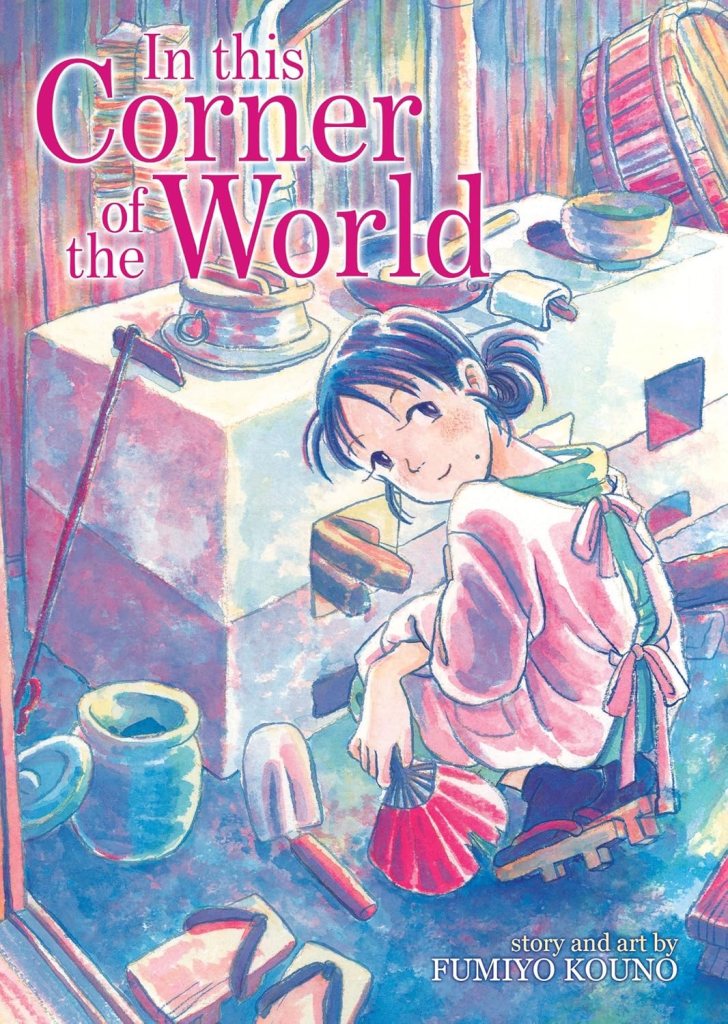
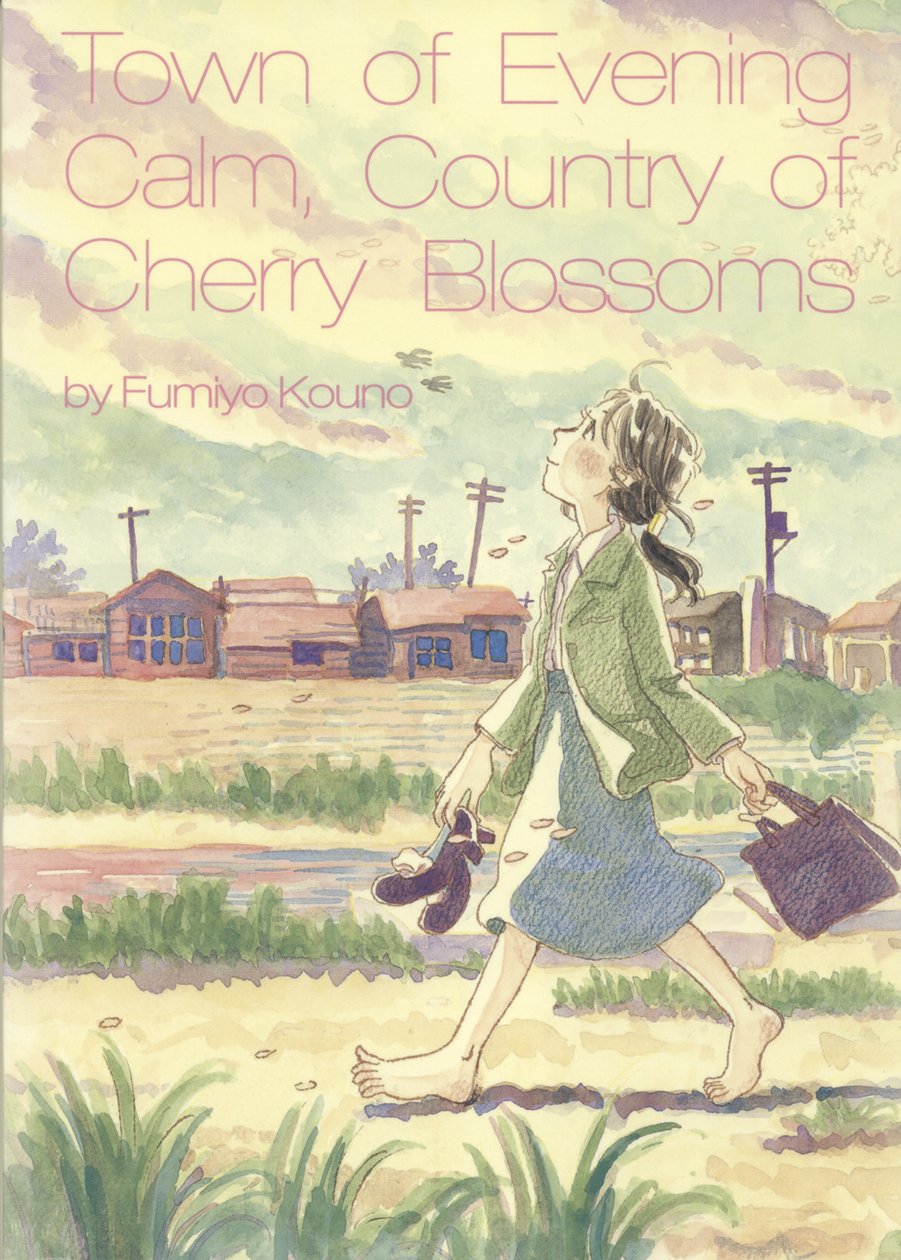
IN THIS CORNER OF THE WORLD by Fumiyo Kouno

“In This Corner of the World” by Fumiyo Kouno explores the devastating impact of war on everyday life through the perspective of Suzu, a young woman living in Hiroshima during World War II. The narrative illustrates how the constant threat of air raids and the harsh realities of rationing affect the daily routines and relationships of the characters. Kouno emphasizes the resilience of the human spirit, showcasing how Suzu finds ways to adapt and maintain her hope amid chaos and destruction. The story also reveals the emotional scars left by war, highlighting the loss of loved ones and the long-lasting effects on survivors. Ultimately, Kouno’s work serves as a powerful reminder of the personal toll of conflict and the importance of remembering the past.

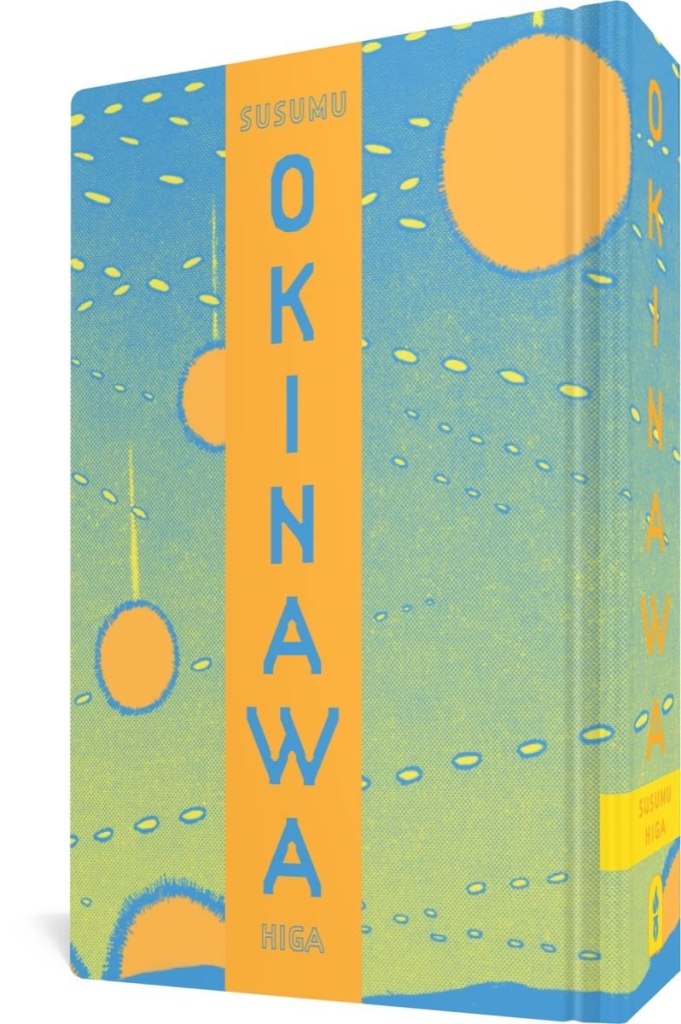
OKINAWA by Susumu Higa

This features two stories highlighting the unique history of Okinawa’s involvement in World War II, and America’s involvement in Okinawa after the War.

“OKINAWA” by Susumu Higa explores the devastating effects of war, particularly focusing on the Battle of Okinawa during World War II. The manga illustrates the human cost of conflict, showcasing the struggles and resilience of the local population caught in the turmoil. Higa’s artwork complements the narrative, immersing readers in the harrowing experiences of those who lived through the horrors of war. Through personal stories and historical context, the manga emphasizes the enduring scars left by violence and the importance of peace. Overall, “OKINAWA” serves as a haunting reminder of the fragility of life and the need for compassion in the face of adversity.

P.S. Also. Although this is published as a hardcover book it’s the same trim size as a standard manga. So yes, it will fit on your bookshelf… probably!
CITIZEN 13660 by Mine Okubo

Though not technically “manga” this graphic novel speaks to the Japanese war experience. The book is composed like a picture book with text accompanying each drawing.

“Citizen 13660” by Mine Okubo captures the experiences of Japanese Americans during World War II, illustrating the deep scars left by war and internment. The graphic novel exposes the impact of war on identity, as the protagonist navigates the loss of freedom and the stigma of being labeled an enemy in her own country. Okubo’s illustrations and personal narrative reveal the emotional turmoil and resilience of those subjected to unjust treatment.

The theme of war extends beyond the battlefield, highlighting how it can fracture communities and disrupt lives. Ultimately, “Citizen 13660” serves as a powerful testament to the enduring consequences of war on individuals and society.

What I find fascinating about this book is that it was both used in court as evidence against the horrors of internment camps, as well as heavily (at its time of release) applauded as promoting the glory of internment camps. Originally published a year after World War II ended, this book was still heavily censored before being sent to print. I wonder if that weren’t the case, how different this book would have been.


Here are some more war-themed manga to try:

This blog post contains affiliate links, which means I may earn a small commission if you make a purchase through these links at no additional cost to you. I only recommend products and services that I personally believe will add value to my readers. Your support helps me continue to create content, and I appreciate your consideration. For more information, please refer to Amazon.ca’s affiliate program guidelines.
Manga Mysteries #MangaMonday Recommendations

There are a whole bunch of manga mystery stories. Here are a very small selection that I think you should check out if you have the chance!

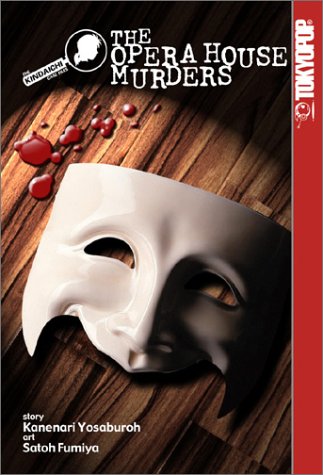
The Kindaichi Case Files by Kanari Yozaburo and Sato Fumiya

Kindaichi

This is wildly out of print, but because most of the stories are self contained within each volume, it’s well worth picking up if you find a volume here and there. This is essentially a series featuring the young detective Kindaichi who solves murder mysteries; very much scenarios like you’d find in Agatha Christie novels. Kindaichi is an unassuming youth, but has great powers of perception. The stories are more about the mysteries, than they are about the characters, so if murder mysteries are something you like to read I would definitely recommend checking this one out. Published by Tokyopop.

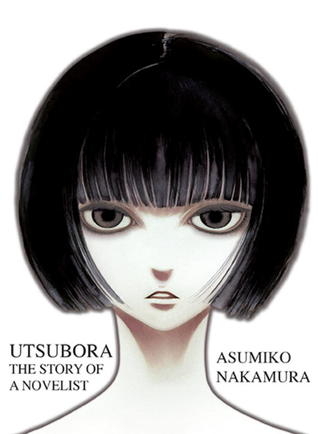
Utsubora: the Story of a Novelist by Asamiko Nakamura

Utsubora

This is a recently in-print manga, so you should still be able to get your hands on it. This is a beautifully illustrated josei series about a novelist who has some relationship to a young woman who has recently commit suicide by jumping to her death. The mystery is subtly woven in an art house style manga. After you’ve read through it and revealed all of the secrets, you will definitely want to pick it up again. This is one of those mysteries that you get more out of every time you pick it up — which says a lot for a mystery! Definitely would recommend checking this title out. Mature Content. Published by Vertical.

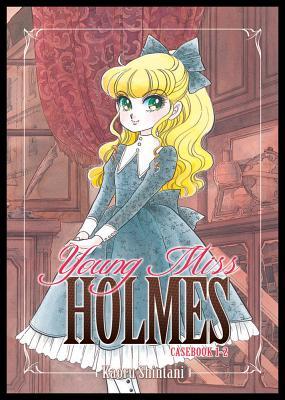
Young Miss Holmes by Kaoru Shintani

Young Miss Holmes

This is exactly what it sounds like, a series about a “miss” Holmes. This miss is the niece of the famous detective, who like her famous uncle has a nimble mind and keen observation skills. This is normally a type of series that I don’t like, so I was surprised by how much I enjoyed it. For one, the art in it is beautiful! I would recommend it for that alone. But also, this takes on the concept that miss Holmes is not her uncle’s helper, but her uncle’s competition. She is a tenacious child who wants to best her uncle at solving crimes. They often appear simultaneously at the conclusion, but have come to the correct conclusion in a different way. It’s a delightful read, but recently out of print, so pick it up when you have a chance! Published by Seven Seas.

Continue reading

Manhwa #MangaMonday Recommendations

Funny, how despite being the person who sets up these themes, they seem to spring up on me! Ack!

Today’s #MangaMonday recommendations are for manhwa. So, not manga at all… this really should have been called #ManhwaMonday. Manhwa in its simplest definition are comics coming out of South Korea. There’s more to that definition, but I’ll talk about that at some later point.

I actually have a pretty size-able collection of manhwa in my collection, but it’s something I pick up rarely to read. I think I only read 2 or 3 titles last year. And, I rarely buy manhwa. I used to pick it up because I didn’t notice the difference between it and manga, plus it was published and promoted as manga… so as a new reader, the difference wasn’t clear.

But now as a seasoned reader, I will say that because manhwa can look so much like manga that it actually shows its differences more clearly. It comes from a completely different country, so of course the stories, art, scenarios, and iconography will be different. In my opinion, this difference is one of the main reasons you or I as a manga reader should be reading them. It challenges, and hones your understanding of another comic form.

So, here are a few titles that I recommend you check out:

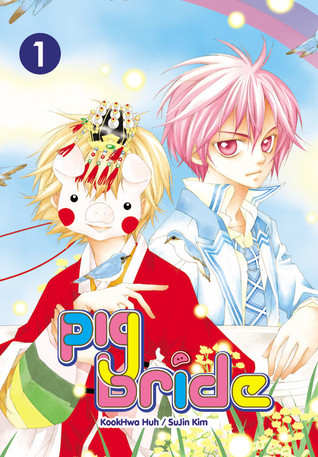
Pig Bride by Kook Hwa Huh and SuJin Kim.

pig 1This is a short 5 volume manhwa that I would equate to a shojo fantasy romance. At the tender age of 8 a young boy, and son to a powerful family, finds himself lost in the forest. He is found by a girl in a pig mask, who’s mother threatens not to let him leave if he doesn’t marry her daughter. He is forced into this marriage, and then sent back to his family. But, at the age of 16 this girl which he remembers from his dreams now has appeared and is ready to start their married life together.

At 5 volumes, this series is packed with unexpected twists and turns, and is a treat to read. Plus, because it’s so short, it shouldn’t be too hard to collect. Continue reading

Gaming Manga #MangaMonday Recommendations

Today’s topic is “Playing Games in Manga.” It’s a popular and frequent topic in manga. Not only that, it is also a popular hobby for many manga readers.

I grew up playing games. And though, I wouldn’t call myself a gamer, I still end up playing games with friends and family on an almost weekly basis. As for video games, I think my first experience was when my father bought me my own game for the Atari 2600. Which game? Only the Best game ever!!

https://youtu.be/HIJAqYGPhLM

Okay, so maybe this is a good example of when games are better left inside the pages of comic books… [I still like it though]

Here are my recommendations for game-centric manga! Continue reading

Valentine’s Day Manga #MangaMonday Recommendations

Happy Valentine’s Day!!

This week’s #MangaMonday Recommendations topic is about Valentine’s day, I of course could do nothing else but recommend *shōjo manga. I’m following up from last week where I recommended short shōnen manga, by including short shōjo series in this post!

Besides being extra short, these series also feature the cutest pure-love-type boy-girl relationships. Whether you’re in love, or not, these series are sure to make your heart go doki doki!

Several of these titles are out of print, so might be a bit harder to locate. But, since they are short, shouldn’t take much to complete!


The Heiress and the Chauffeur, volume 1-2 by Keiko Ishihara

Set in Taisho era Japan, an heiress and her servant must never cross the boundaries of their station in life. They can never touch. And they certainly can never fall in love! Continue reading

Short Shōnen Manga #MangaMonday Recommendations

I’ve mentioned in my previous #MangaMonday Recommendations post that this is going to be a regular feature: every 2nd and 4th Monday of the month, I am going to recommend you manga based on a specific theme. I had also asked if anyone was interested to participate with me and recommend manga using the same themes through their own social media channels. I had enough replies that I’ve posted the upcoming topics on my blog. You can find them under the “challenges” menu at the top of any page, or go to: https://mangahoarder.com/mangamonday-recommendations/

Please join us!


Today’s #MangaMonday Recommendation is for short *shōnen manga series and standalones. This topic was inspired by a comment I received on one of my YouTube videos recently. (If you have any other suggestions for future topics, please feel free to leave a comment below!)

When you think about shōnen manga, what series comes to mind?

Continue reading

Meta-Manga! Recommendations #MangaMonday

If you haven’t heard the term “meta-manga” before, it’s probably because I made it up. The modern use of the term/prefix “meta” generally refers to “x” about “x.” I am very familiar with this concept because I work closely with “meta-data” which is “data” about “data.” In the case of manga, a meta-manga would refer to “manga” about “manga.”

I LOVE meta-manga! There’s something so exciting about reading a manga that is completely self-aware. It’s a bit like watching a movie and waiting for that moment when someone actually speaks the line that is also the title of the movie. It’s a strange and fantastic moment.

There are SO MANY meta-manga to choose from. What manga-ka (manga author) wouldn’t want to write or illustrate something they know about as intimately as their own job? Here are some of my favourites:


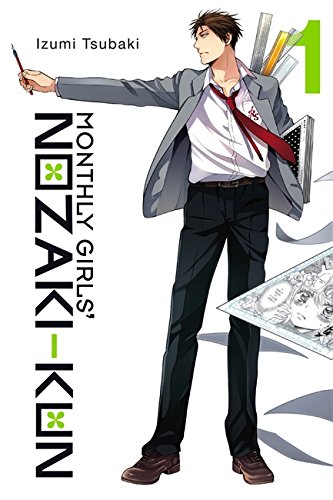
ONE. Monthly Girls’ Nozaki-Kun by Izumi Tsubaki.

51c7g+4RaAL

This is a shoujo 4-koma manga (4-panel comedy manga originally marketed to girls) about a high school student named Nozaki who draws shoujo manga for Monthly Girls’ Magazine.

It begins with his cute classmate confessing her love to him and Nozaki, being so completely clueless and unable to focus on anything but writing manga, thinks she is asking for an autograph – and later convinces her to help him work on the actual manga itself.

Throughout the series you meet many other quirkly classmates each with distinct personalities and each with a hidden link to Nozaki’s manga.

The 4-koma format is a little jarring to get used to, as the story doesn’t flow like regular manga. It is really based on a “punch-line” format… similar to say…”Foxtrot.” But, over time as you get used to the format, the flow, the comedy, the characters, it becomes more-and-more enjoyable.

If you’re not sure you’ll like reading the 4-koma format I would highly recommend watching the short anime adaptation of this BEFORE getting into it. Continue reading